
 Regulated by RICS
Specialist conservation surveys
Listed & Historic Building Surveys in St Albans, Hertfordshire & North London
Surveys of listed and historic buildings by Brian Sullivan, a chartered building surveyor with a master's degree in Building Conservation. We explain how the building was built, what condition it is in, which features matter, and what you can and cannot change, before you commit.
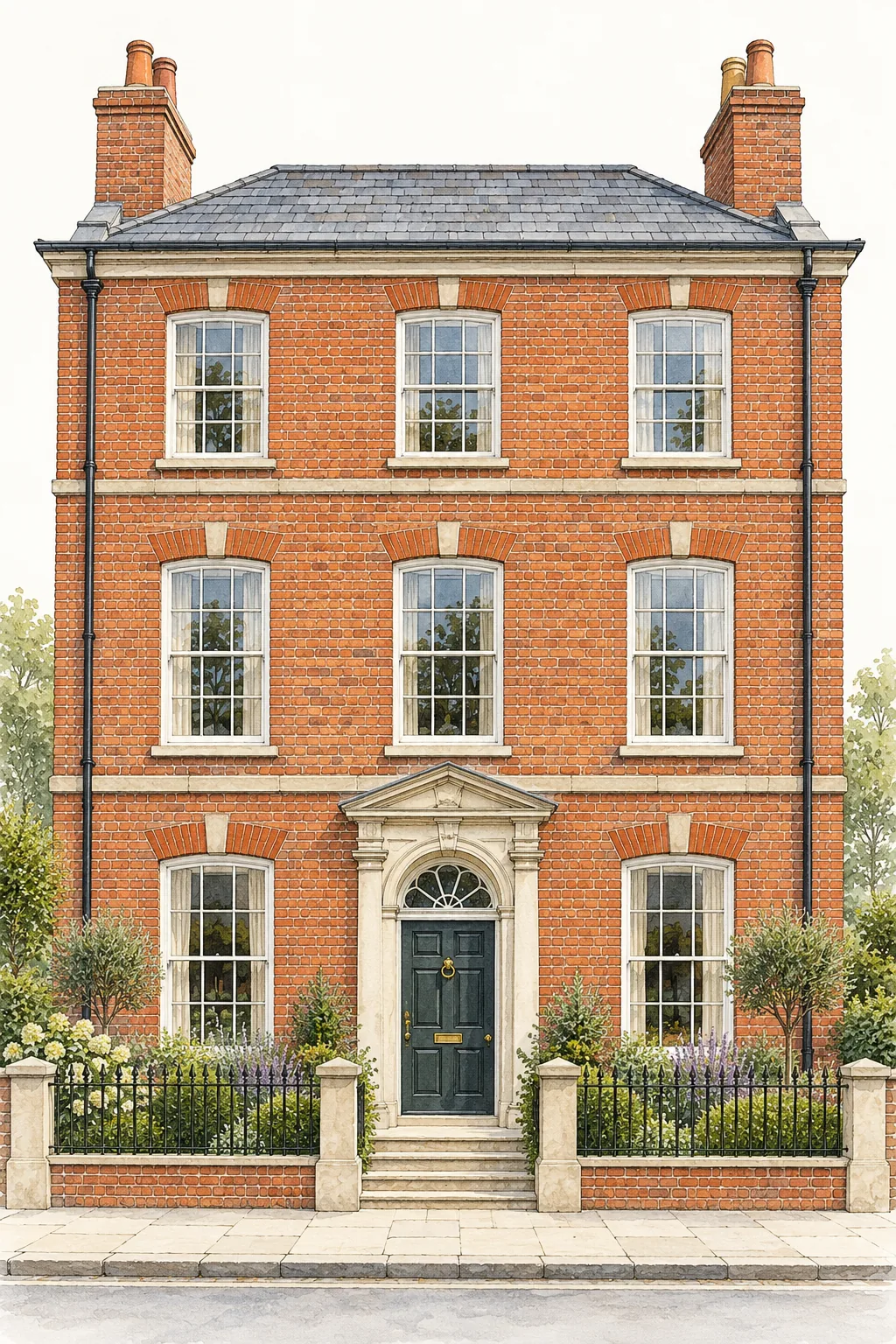
- MSc Building ConservationSpecialist inspections by our director
- Regulated by RICSIndependent chartered surveyors
- Director-ledYou deal with the surveyor who inspects
- RICS Registered ValuerValuation available with the survey
Why listed buildings need a different survey
Old buildings work differently, and so do the rules that protect them
Most buildings put up before about 1919 were built with solid walls, lime mortars and plasters, timber frames, flint, handmade brick and clay tile. These materials are designed to absorb and release moisture. A surveyor who judges them against modern cavity-wall construction will often see "damp" and "defects" that are normal for the building, and miss the problems that genuinely matter, such as cement repairs and impermeable paints trapping water in the fabric.
Listing adds a legal layer. Listed building consent is generally needed for any works that affect a listed building's special architectural or historic interest, inside or out, and carrying out such works without consent is a criminal offence. Listing can also extend to interiors and to some structures within the building's curtilage. So the right repair is not only a technical question; it is a question of what you are permitted to do.
Our surveys bring both together. Each report sets out the building's construction and development, its condition, the significance of its fabric, and practical advice on repair, maintenance and alteration that respects both.
What the survey covers
What we inspect and report on
Every inspection is tailored to the building, but a listed or historic building survey normally covers the following.
Construction and development
How and when the building was built and altered, from timber framing and early brickwork to later Georgian and Victorian additions, so that its condition can be read in context.
Traditional materials
Lime mortars, renders and plasters, flint, soft brick, clay peg tiles, slate, lead, timber and historic glass, and whether they are performing as intended.
Moisture and damp
A whole-building assessment of moisture sources, informed by the 2022 RICS, Historic England and PCA joint statement. Gravimetric testing is available where the cause is uncertain.
Structural movement
Historic settlement, spreading roofs, bulging solid walls and timber frame distortion, and whether movement appears progressive or long-standing.
Decay and timber condition
Wet and dry rot, beetle activity, and decay at bearings, sole plates and wall plates, with advice on targeted repair rather than wholesale replacement.
Inappropriate past repairs
Cement pointing and render, gypsum plaster, plastic paints, chemical damp-proof courses and spray foam insulation, all of which can harm traditional buildings.
Significance
The features that give the building its architectural and historic interest, in the terms the National Planning Policy Framework uses, so you know what to protect.
Consent implications
Where recommended repairs or your proposed changes are likely to need listed building consent or conservation advice, and alterations that may warrant a check of past consents.
Repair priorities
Urgent, short-term and long-term repairs, appropriate materials and methods, and a maintenance approach suited to the building.
Timber-framed buildings
Why timber-framed buildings are the most difficult, and highest-risk, to survey
Hertfordshire has a remarkable stock of timber-framed buildings, many dating from the medieval period to the seventeenth century, and many more than first appear. Their structure is a frame of jointed oak, and the walls between the timbers are infill panels of wattle and daub or later brick. The frame carries the building, so its condition matters more than almost anything else in the survey.
They are the most demanding buildings we inspect because the parts most likely to fail are usually the parts you cannot see.
- The frame is often hiddenLater brick skins, render, lath and plaster and modern linings conceal posts, braces and sole plates. Serious decay can be present behind a wall that looks sound.
- Moisture concentrates at the baseSole plates and post feet sit close to the ground. Raised external levels, defective gutters, cement render and impermeable paint trap water where the frame is most vulnerable to wet rot.
- Past alterations may have cut the structureOver the centuries, posts, tie beams and braces are frequently cut to insert doors, windows, chimneys and staircases. Removing one member can transfer load in ways that only show up as distortion years later.
- Inappropriate repairs make things worseCement infill, steel plates, resin and hard renders stop the frame drying out and accelerate decay. Brick infill added later adds weight and can hold moisture against the timbers.
- Movement is normal, up to a pointMost frames have racked, leaned or settled over hundreds of years. Telling long-stable distortion from active failure needs experience of how these structures behave.
- Repairs are specialist and costlyRepairs to the frame are usually high-significance work that needs listed building consent and a specialist carpenter. Underestimating them is one of the most expensive mistakes a buyer can make.
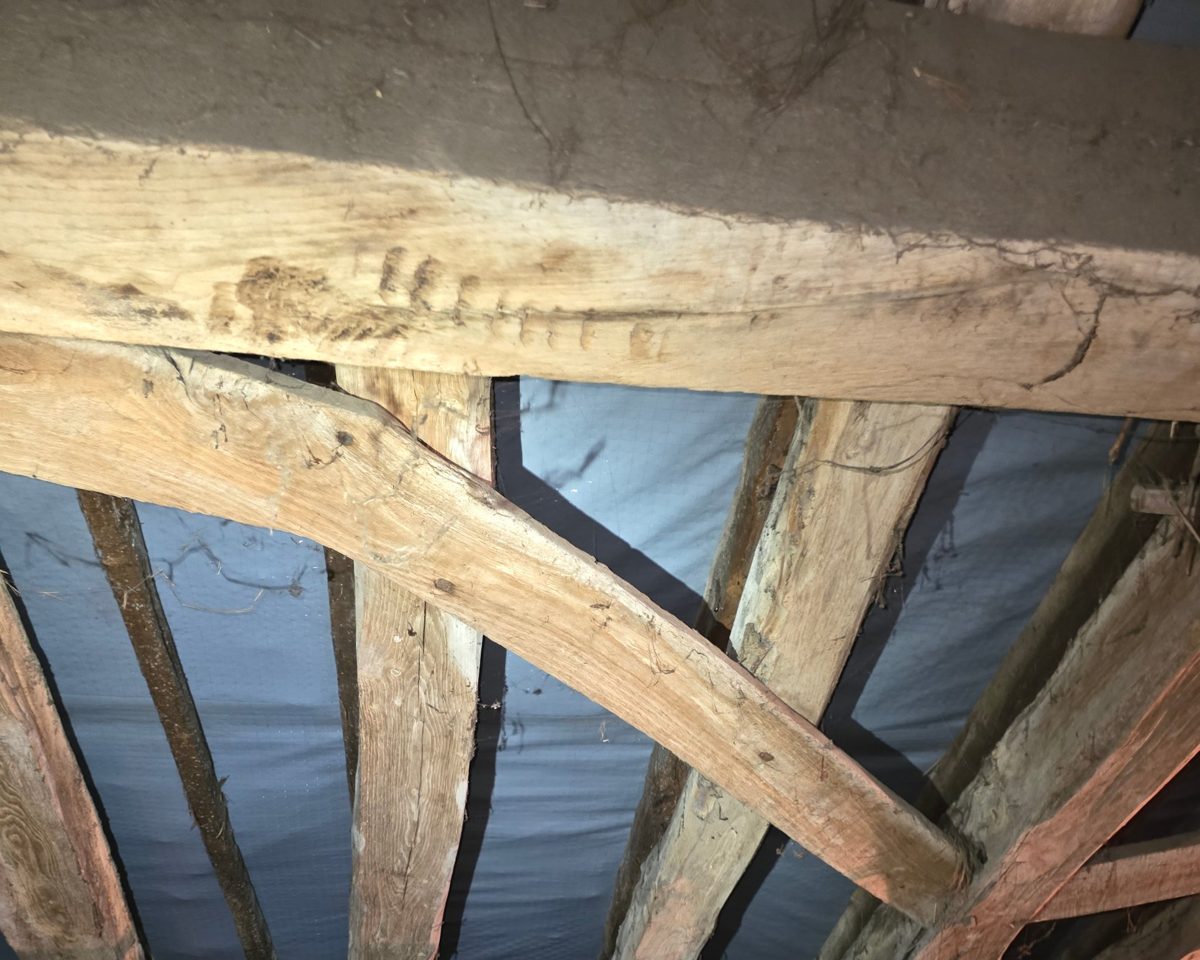
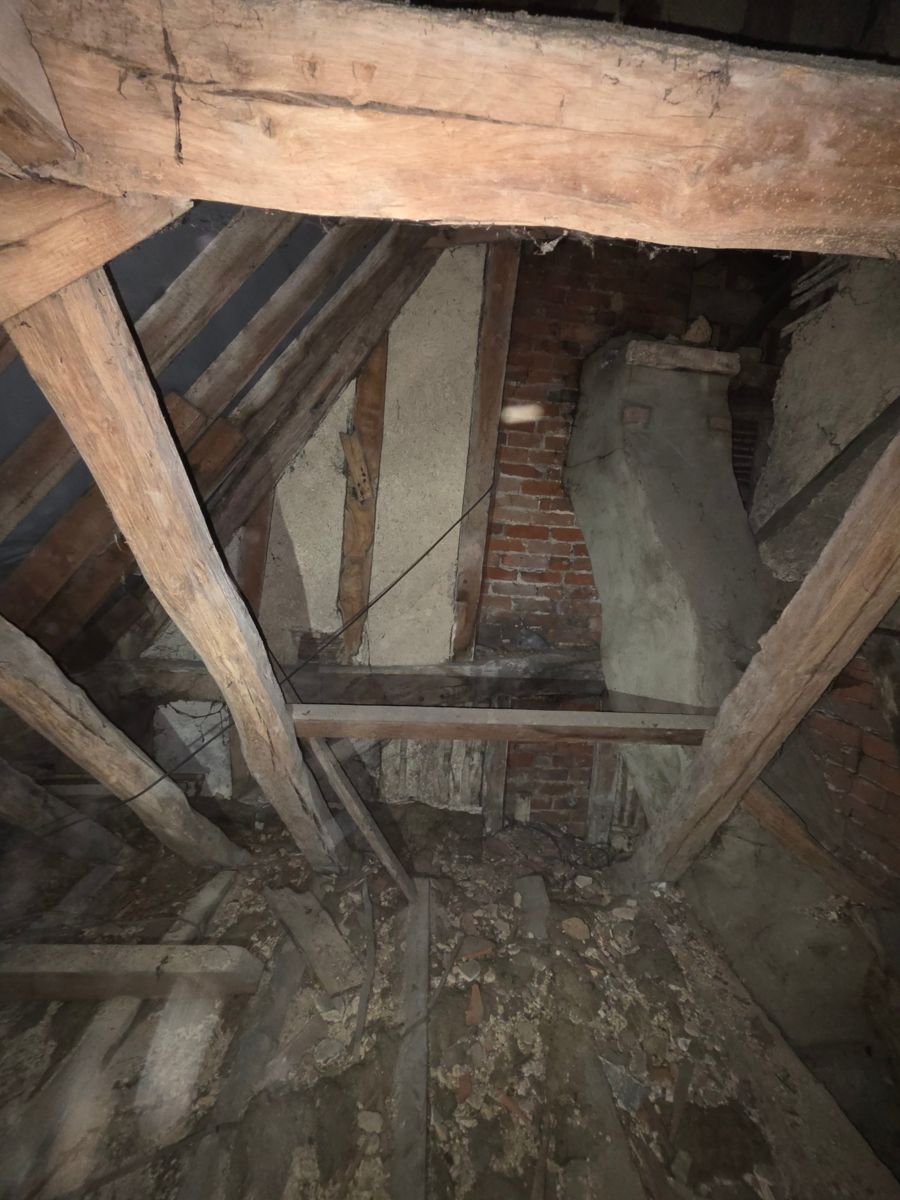
How we survey a timber-framed building
We start by reading the building: wall thicknesses, roof form, chimney positions, jetties, ceiling heights and any exposed carpentry and joints, to work out how it was built and altered. We inspect accessible timbers closely, particularly in roof spaces, cellars and at sole plate level, and record distortion and moisture conditions around the frame. Where the frame is concealed and the evidence suggests risk, we say so clearly and recommend targeted opening up, or specialist input such as a structural engineer experienced in historic timber, before you commit.
Buying a listed building
What buyers need to know before exchange
A listed building can be a rewarding home, but buyers take on responsibilities that do not apply to other properties. A specialist survey helps you understand them while you can still negotiate, or walk away.
Our report is written for you, not the lender. It explains the findings in plain English, with photographs, and we are happy to talk them through with you after the inspection.
- Past unauthorised works can become your problemEnforcement action over unauthorised works to a listed building can be taken against the current owner, whoever carried them out. We flag alterations that may need checking with the local authority.
- Like-for-like repair costs moreLime, handmade materials and skilled trades cost more than modern equivalents. Knowing the likely scope of repair helps you budget and negotiate.
- Changes need permissionReplacing windows, removing walls, altering fireplaces or adding insulation may all need consent. We identify where your plans are likely to need it.
- Modern "fixes" can cause damageTreatments sold as damp-proofing or insulation can trap moisture in traditional walls. We tell you which existing work may need to be reversed.
- Energy improvements need careSome upgrades suit historic buildings and some do not. We highlight sensible, compatible options for improving comfort.
Your surveyor
Inspected and reported on by a conservation specialist
Brian Sullivan, director of Hamblin Sullivan Associates, carries out our listed and historic building inspections personally. He is a chartered building surveyor and chartered building engineer, and holds a master's degree in Building Conservation.
That combination matters. It means the advice in your report distinguishes between defects that need repair and characteristics you should expect in an old building, and considers the consequences of unnecessary intervention as well as the cost of doing nothing.
You deal with Brian directly from first enquiry to final report.
How it works
How we carry out a listed building survey
- Get in touch
Tell us about the building, its listing grade if known, your plans and any concerns.
- Scope and fee
We send a written fee proposal and terms of engagement setting out exactly what is included.
- Inspection
A detailed inspection of the accessible parts of the building, recording construction, alterations and defects.
- Report and discussion
A clear written report with photographs and recommendations, and a call to talk it through.
Where we work
Listed building surveys across Hertfordshire and London
From our St Albans office we survey listed and historic buildings across Hertfordshire, from the cathedral city's own conservation area to the market towns and villages around it. Our London offices cover period and listed homes across the capital, particularly the Georgian and Victorian neighbourhoods of North London.
St Albans & Hertfordshire
- St Albans
- Harpenden
- Redbourn
- Wheathampstead
- Hertford
- Ware
- Berkhamsted
- Tring
- Hitchin
- Welwyn
- Hatfield
- Bishop's Stortford
North London
- Highgate
- Hampstead
- Islington
- Canonbury
- Muswell Hill
- Crouch End
- Camden
- Barnet
- Hadley
- Finchley
- Enfield
- Stoke Newington
Questions
Listed building survey FAQs
Do I need a special survey for a listed building?
A standard RICS Level 2 survey is designed for conventional buildings in reasonable condition and is rarely suitable for a listed building. A Level 3 Building Survey carried out by a surveyor experienced in traditional construction and building conservation is normally recommended, so that defects, past alterations and the consent implications of repairs are properly assessed.
Will the survey tell me if previous works were carried out without listed building consent?
A survey can identify alterations that appear to be relatively recent or that may have required listed building consent, such as changes to windows, internal walls, staircases or historic finishes. Whether consent was granted is checked through the local planning authority's records, normally by your solicitor. Liability for unauthorised works can pass to a new owner, so these matters should be raised before exchange.
Are timber-framed buildings riskier to buy?
They can be. The oak frame carries the building, and the parts most prone to decay, such as sole plates, post feet and joints, are often hidden behind later brick, render or plaster. Many timber-framed houses were also altered or given a Georgian brick front, so the frame may not be obvious at all. A survey by someone experienced in timber-framed construction identifies the warning signs and tells you when opening up or specialist advice is needed before you commit.
Do you survey historic buildings that are not listed?
Yes. Many period properties in conservation areas, and older unlisted buildings of solid wall, timber frame or flint construction, benefit from the same approach. The inspection considers how the building was built and how it handles moisture, rather than judging it against modern construction.
How much does a listed building survey cost?
The fee depends on the size, age, complexity and accessibility of the building and the scope of advice required. After discussing the property we provide a written fee proposal and terms of engagement before any inspection is booked.
Can you include a valuation?
A market valuation by an RICS Registered Valuer can be included if required and agreed as part of the instruction.
Which areas do you cover?
We survey listed and historic buildings across St Albans and Hertfordshire, including Harpenden, Hertford, Berkhamsted and Hitchin, and across London, including Highgate, Hampstead, Islington, Muswell Hill and Barnet, together with the surrounding Home Counties.
Request a fee proposal
Tell us about the building
Send us the address, the listing grade if you know it, and what you would like advice on. We will reply with a scope of work and a written fee proposal.
St Albans: 01727 613 088
London: 020 3633 0088
bsullivan@hsa-surveyors.com